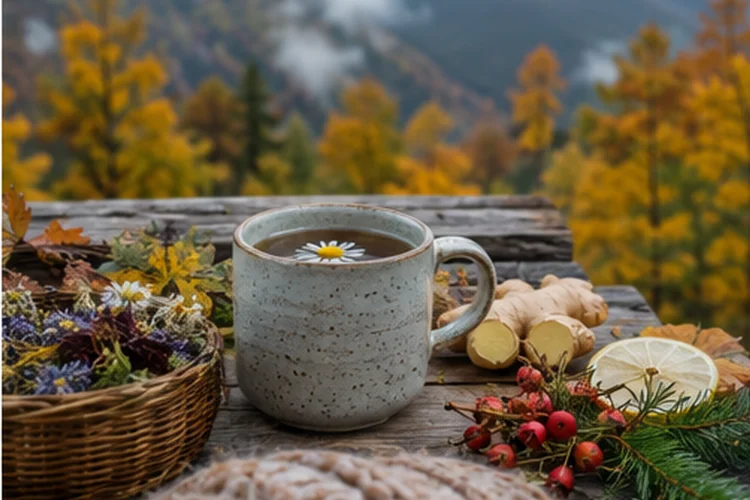
Changing seasons often change the way we live. Colder months may mean more time indoors, shorter daylight hours, dry air, disrupted sleep, and the familiar arrival of coughs and colds.
Hot seasons create a different set of habits, from drinking more fluids to choosing lighter meals and spending more time outside.
Traditional herbal systems have long responded to these shifts by adjusting foods, drinks, daily routines, and plant preparations throughout the year.
Understanding how herbal traditions support seasonal wellbeing routines is therefore less about finding one magical “immune herb” and more about adapting everyday habits to changing conditions.
Modern evidence adds an important layer of caution. Herbs such as echinacea and elderberry are widely promoted during cold season, yet their research is mixed or limited.
Meanwhile, very ordinary habits such as adequate rest and hydration remain important forms of supportive care. CDC currently recommends plenty of rest and fluids when managing uncomplicated common-cold symptoms.
A thoughtful seasonal herbal routine combines tradition, practical self-care, and realistic expectations.
Seasonal Herbalism Is Really About Adaptation
Traditional health systems developed in environments where changing weather had obvious effects on food availability, physical activity, sleep, and daily routines.
People naturally changed what they ate and drank as the year progressed. Warm aromatic drinks might become more appealing in cold weather, while cooling foods and greater fluid intake made more sense during hotter periods.
Herbal traditions often followed the same pattern.
Rather than using exactly the same plants throughout the year, communities frequently worked with herbs that were available locally and appropriate to seasonal needs.
Some plants were prepared as warming infusions, others preserved as dried herbs, syrups, tinctures, or culinary seasonings.
The important idea is not that the body literally needs a special herb every time the calendar changes.
It is that seasonal changes can influence our routines, and plants may become part of how we respond.
Modern herbal education can keep this traditonal perspective while still asking whether particular health claims have credible evidence.
Warming Herbal Drinks Can Become Part of Cold-Season Routines
A warm cup of herbal tea is probably one of the simplest seasonal rituals.
Ginger, peppermint, thyme, chamomile, lemon balm, and other aromatic herbs may appear in winter drinks depending on culture and personal preference. The warmth itself can be comforting, while the beverage also contributes fluid.
When someone has an uncomplicated common cold, supportive measures remain important. CDC recommends rest, adequate fluids, humidified air, saline nasal products, and other symptom-relief strategies.
This puts herbal tea into a realistic context.
A warm thyme drink does not need to “kill viruses” to be part of a useful winter routine. It may simply be a pleasant way to drink more fluid and enjoy an aromatic herb.
Preparation matters, however.
A normal culinary infusion is very different from concentrated essential oil or a standardized medicinal extract. The fact that the same plant name appears on both products does not mean they have the same strength, safety profile, or evidence.
Thyme Shows How Food and Traditional Herbal Care Can Overlap
Thyme is especially interesting because it sits comfortably between the kitchen and the herbal cabinet.
It is widely used as a culinary seasoning, but specific thyme preparations also have a history of traditional medicinal use.
The European Medicines Agency recognizes certain thyme herbal preparations for productive, or chesty, coughs associated with colds on the basis of long-standing use.
That does not mean every homemade thyme tea has been clinically proven to treat cough.
EMA conclusions refer to defined preparations used according to established herbal standards.
For beginners, thyme provides a useful lesson in evidence-aware seasonal herbalism. You can enjoy it in soups, stews, roasted vegetables, or an herbal infusion without turning every use into a medical claim.
It also demonstrates why culinary herbs are practical tools for seasonal learning.
One plant can teach you about flavour, aroma, cultivation, drying, traditional use, and modern regulatory evaluation at the same time.
Echinacea Is Popular, but Expectations Should Stay Realistic
Echinacea is one of the most famous cold-season herbal products.
It is frequently marketed as an “immune booster” or as something that can prevent colds. The actual research is more complicated.
NCCIH reports that echinacea has not been conclusively proven to prevent or treat the common cold.
Different studies have used different species, plant parts, and formulations, and while some preparations may have modest effects, the overall evidence remains inconsistent.
That makes echinacea a great example of why seasonal wellness claims should be evaluated carefully.
A product can be extremely popular without having simple, definitive evidence behind it.
Safety also deserves attention. Allergic reactions can occur, particularly in people sensitive to related plants, and herbal products may interact with medications.
So instead of treating echinacea as a mandatory winter supplement, consider it one traditionally popular botanical whose usefulness depends on the specific preparation and individual situation.
Elderberry Has Tradition and Early Research, but Important Safety Limits
Elderberry is another cold-season favourite.
Dark purple elderberry syrups and extracts are widely promoted for respiratory wellbeing.
Some research suggests elderberry preparations might help with symptoms of colds or influenza, but NCCIH notes that the evidence remains limited because available studies are relatively small.
There is also an important safety issue.
Raw or unripe elderberries-and certain other parts of the elder plant-contain compounds capable of releasing cyanide and can cause nausea, vomiting, and severe diarrhea. Proper cooking eliminates this toxin.
That means elderberry is not a good plant for casual experimentation based on a photo found online.
Commercially prepared products and properly processed berries are different from eating raw wild plant material.
This is exactly the kind of detail that good herbal education should emphasize.
A plant’s traditional reputation is only one part of the story. Identification, processing, dose, and safety matter just as much.
Seasonal Wellbeing Also Depends on Sleep
Herbs often receive most of the attention in seasonal wellness routines, but sleep may matter more than adding another supplement.
Shorter daylight hours, holiday schedules, travel, late-night entertainment, and changing work routines can all disrupt normal sleep patterns.
CDC states that adults generally need at least seven hours of sleep each day. Maintaining consistent bedtimes and wake times is also part of good sleep hygiene.
Traditional herbal systems have long included plants such as valerian, chamomile, and lemon balm in evening routines.
Specific valerian-root preparations have documented use for mild nervous tension and sleep disorders in Europe, although the evidence depends on the preparation rather than the plant name alone.
For a seasonal routine, the practical lesson is simple.
An evening herbal tea may help create a relaxing ritual, but it works best alongside sensible habits: regular sleep hours, lower evening stimulation, less late caffeine, and a comfortable sleeping environment.
The herb should complement the routine, not replace it.
Food Herbs Can Be More Practical Than Supplement Collections
Seasonal herbal wellbeing does not have to mean buying a shelf full of capsules and tinctures.
Many herbs already belong in the kitchen.
Ginger can be added to soups, drinks, curries, and stir-fries. Thyme and rosemary work well with roasted foods. Mint can become a refreshing warm or cool beverage. Garlic, parsley, sage, and other culinary plants can add variety to seasonal meals.
Using herbs this way has several advantages.
You become familiar with their smell, taste, botanical characteristics, and normal food quantities before encountering more concentrated preparations.
It also keeps herbalism connected to everyday life rather than turning every plant into a supplement.
Seasonal routines can be surprisingly simple: cook more frequently, rotate aromatic herbs, drink enough fluid, maintain regular meals, and learn which plants grow locally during different parts of the year.
That approach builds plant knowledge without encouraging the assumption that more supplements always mean better health.
Avoid the “Immune Boosting” Trap
Seasonal wellness marketing often uses phrases such as “boost immunity,” “supercharge your defenses,” or “prevent winter illness.”
These phrases can oversimplify how the immune system works.
A healthy immune response is regulated and complex. More activity is not automatically better, and no single herb creates an impenetrable shield against respiratory viruses.
Echinacea demonstrates the problem clearly: despite years of promotion for cold prevention, NCCIH says evidence for meaningful benefits remains uncertain and varies between preparations.
A better seasonal mindset is support rather than boost.
Sleep adequately. Eat a varied diet. Stay physically active when appropriate. Drink enough fluid. Follow recommended public-health measures, and use herbs as optional parts of food or self-care routines when they are suitable.
This wording may be less exciting than “super immunity,” but it is much more accurate.
Good herbal education should help people become harder to impress with exaggerated claims.
Change Your Routine With the Season, Not Every Week
A useful seasonal routine should feel sustainable.
There is little benefit in creating a complicated schedule involving ten herbal teas, five supplements, special powders, and daily tinctures that you abandon after four days.
Instead, choose a few habits that fit naturally into your life.
During cooler periods, that might mean preparing warm herbal drinks, cooking with thyme and ginger, getting enough sleep, and paying attention to indoor humidity.
During hotter months, the emphasis may shift toward sufficient fluids, lighter herbal beverages, shade, appropriate outdoor activity, and herbs grown fresh in containers or gardens.
Observe how your needs change rather than following rigid rules.
Your climate matters too. “Winter herbalism” in a tropical region may look completely different from winter routines in northern Europe.
Seasonal wellbeing should respond to your actual enviroment, not an aesthetic copied from social media.
Safety Should Be Part of Every Seasonal Routine
Changing seasons do not make herbal products automatically safe.
Herbs can cause allergies, side effects, or medication interactions. Concentrated extracts may also behave very differently from ordinary food quantities.
Older adults, children, pregnant or breastfeeding people, and anyone taking regular medication should be particularly careful with concentrated herbal supplements.
Elderberry shows why preparation knowledge matters, while echinacea demonstrates how allergy risk and inconsistent formulations can complicate apparently simple products.
Seasonal respiratory symptoms also should not automatically be treated as “just a cold.”
Persistent or worsening symptoms, difficulty breathing, significant dehydration, prolonged fever, or symptoms that improve and then become worse deserve medical attention. CDC specifically identifies several of these situations as reasons to seek professional care.
Remeber that responsible herbalism includes knowing when an herb is not the right answer.
Herbal traditions support seasonal wellbeing less through one magical remedy and more through changing routines.
Warm herbal drinks, culinary plants, thyme preparations, echinacea, elderberry, and evening herbs all have places in different traditions, but their evidence and safety profiles are not identical.
The strongest seasonal routine still begins with basics such as adequate sleep, fluids, nutritious food, movement, and realistic symptom care. Herbs can then become an optional layer rather than the entire plan.
Choose one or two seasonal plants and learn them properly-their botanical identity, traditional use, preparation, evidence, and cautions. Then build them into routines you can actually maintain.
A good seasonal herbal practice should leave you with more knowledge and better habits, not simply a larger supplement cabinet.