How Herbal Traditions Approach Rest, Calm, and Better Sleep

How Herbal Traditions Approach Rest, Calm, and Better Sleep

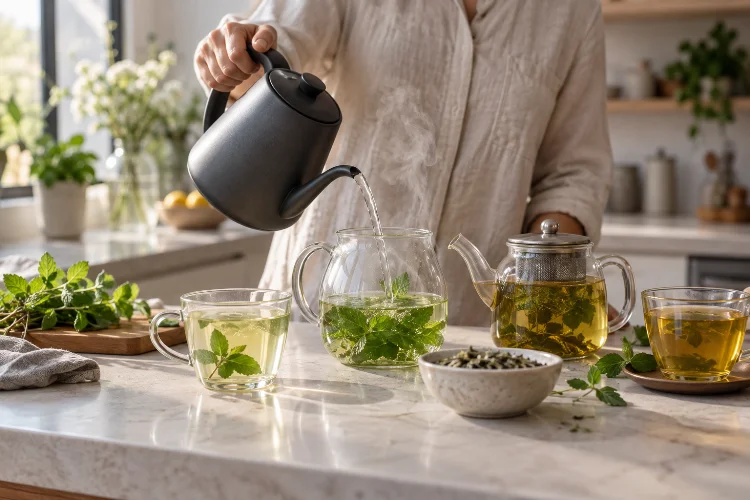
Some nights, sleep feels effortless. On others, your body is tired but your mind seems determined to replay every conversation, unfinished task, and worry from the day. Long before modern sleep laboratories existed, herbal traditions developed their own approaches to rest and nighttime calm. Plants such as valerian, chamomile, lavender, lemon balm, and passionflower became … Read more

How Herbal Traditions Approach Everyday Digestive Comfort

How Herbal Traditions Approach Everyday Digestive Comfort

Almost everyone knows the feeling: you finish a large meal and suddenly feel unusually full, gassy, slightly nauseated, or simply uncomfortable. Long before modern pharmacies existed, cultures around the world developed plant-based traditions for responding to these ordinary digestive complaints. That history helps explain why peppermint, ginger, chamomile, fennel, caraway, and other aromatic plants still … Read more

How Culinary Herbs Add Flavour, Aroma, and Plant Knowledge

How Culinary Herbs Add Flavour, Aroma, and Plant Knowledge

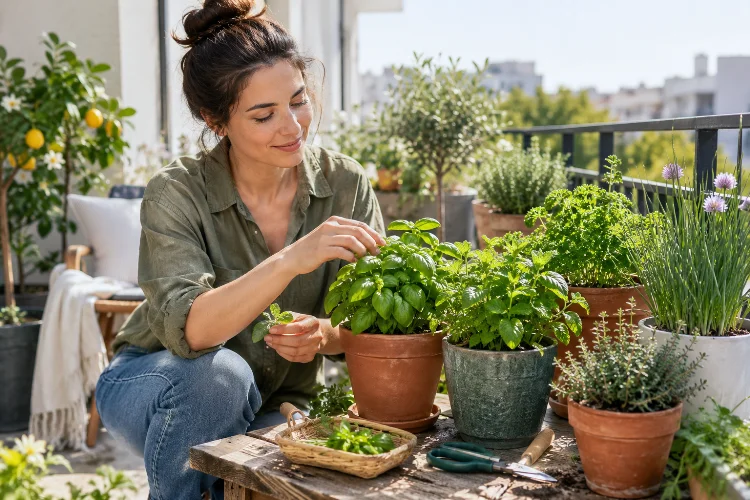
A few basil leaves can completely change a bowl of pasta. Rosemary can turn simple roasted potatoes into something deeply aromatic, while fresh mint can make a glass of water smell surprisingly refreshing. Culinary herbs are powerful because we often use them in small quantities, yet their influence on food can be enormous. USDA describes … Read more

How Herbal Oils Are Prepared for External Educational Use

How Herbal Oils Are Prepared for External Educational Use

A jar filled with golden oil and dried calendula flowers may look simple, but there is quite a bit of plant chemistry happening inside it. Oil can act as an extraction medium, drawing certain compounds from herbal material and creating what is commonly called an herbal infused oil. Learning how herbal oils are prepared for … Read more

What Herbal Tinctures Are and How Extraction Works

What Herbal Tinctures Are and How Extraction Works

A small amber bottle filled with dark herbal liquid can look mysterious if you are new to herbalism. The label may mention a plant name, an alcohol percentage, and a ratio such as 1:5-but what do those details actually mean? That bottle may contain an herbal tincture, a liquid preparation produced by extracting constituents from … Read more

What Herbal Decoctions Are and When They Are Commonly Used

What Herbal Decoctions Are and When They Are Commonly Used

If you have ever simmered ginger, roots, bark, or spices in a saucepan instead of simply pouring hot water over them, you have already encountered the basic idea behind a herbal decoction. Decoctions are one of the oldest and simplest ways of preparing plant material with water. Unlike a quick cup of herbal tea, the … Read more

How Herbal Infusions Differ from Everyday Cups of Tea

How Herbal Infusions Differ from Everyday Cups of Tea

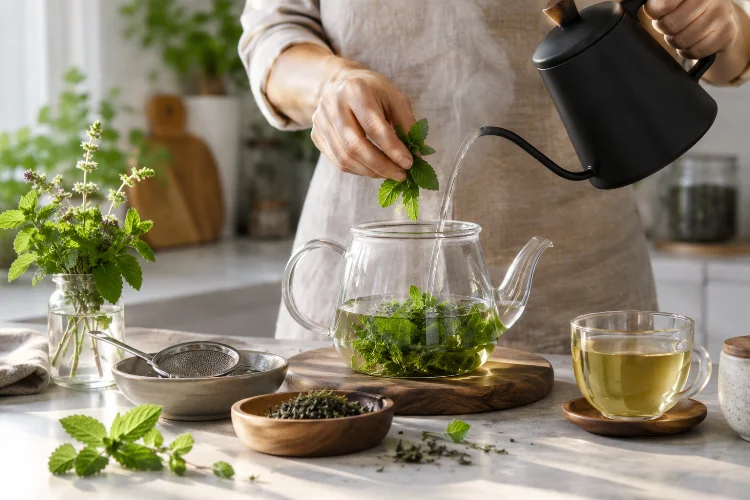
At first glance, an herbal infusion looks exactly like an ordinary cup of tea. You place plant material in a cup, add hot water, wait for a while, and drink the result. So why do herbalists sometimes call one drink an “infusion” instead of simply calling it tea? The difference is partly about terminology and … Read more

How to Learn Sustainable Foraging for Common Wild Herbs

How to Learn Sustainable Foraging for Common Wild Herbs

Walking through a meadow or woodland can feel completely different once you begin recognizing the plants around you. What once looked like a wall of green suddenly becomes a collection of individual species, each with its own leaves, flowers, habitat, season, and ecological role. That is part of what makes sustainable foraging for common wild … Read more

How to Dry Fresh Herbs While Preserving Quality and Colour

How to Dry Fresh Herbs While Preserving Quality and Colour

Fresh herbs can be wonderful when they are growing in the garden, but that freshness does not last forever. Basil wilts, mint becomes tired, and a productive rosemary or thyme plant can easily produce more than you can use in a week. Drying offers a simple solution. Done properly, it removes enough moisture to make … Read more

How Harvest Timing Influences Herbal Quality and Aroma

How Harvest Timing Influences Herbal Quality and Aroma

A handful of basil picked at the right moment can smell intensely sweet and peppery. The same plant harvested later-especially after it has been flowering for a while-may taste noticeably different. That is not simply imagination. The stage of plant growth, weather conditions, moisture, and even the time of day can influence the qualities we … Read more